Underground Pipe Installation in Denver, CO
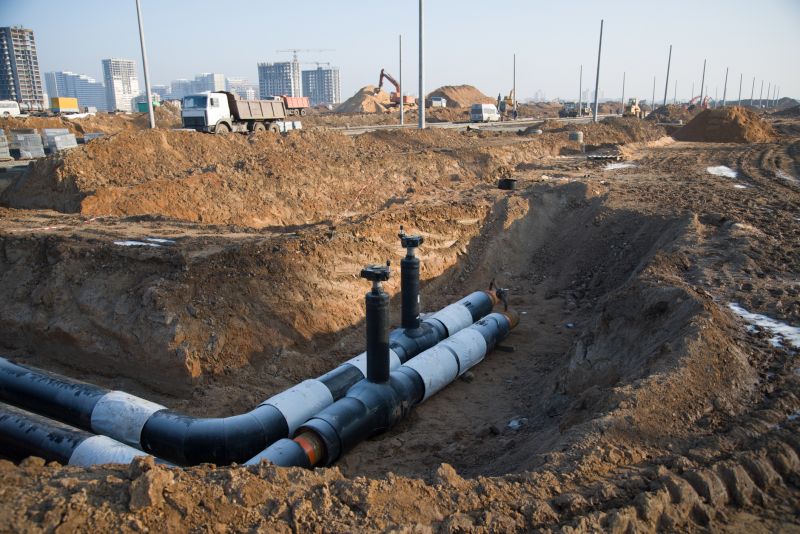
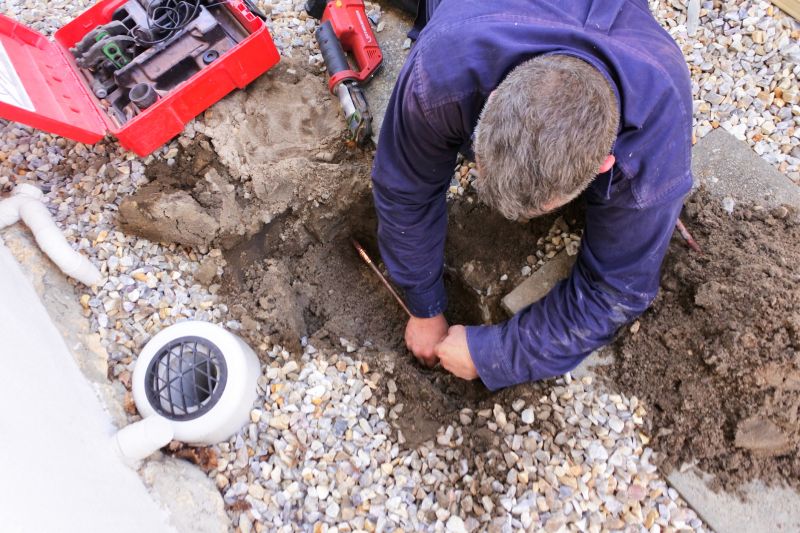
Underground pipe installation services involve the placement of essential piping systems beneath the surface of a property to support various utilities such as water supply, drainage, sewer lines, and irrigation systems. These projects typically include installing new pipes during home construction, replacing aging or damaged lines, or extending existing systems to accommodate property expansions. Homeowners often want to understand the scope of work, including how underground piping impacts landscaping and property access, as well as the importance of proper planning to ensure long-term functionality and compliance with local regulations.
Before requesting underground pipe installation, property owners should consider factors like the type of pipes needed, the location of existing underground utilities, and any permits that may be required. It’s also helpful to understand the depth at which pipes should be installed to prevent damage and ensure durability. Clear communication about the project's purpose, site conditions, and potential disruptions can help facilitate a smooth installation process and ensure the underground piping system meets the property’s needs effectively.
Many property owners in Denver, CO look into Underground Pipe Installation for repairs, replacements, upgrades, and appearance-related improvements.
Underground Pipe Installation Solutions
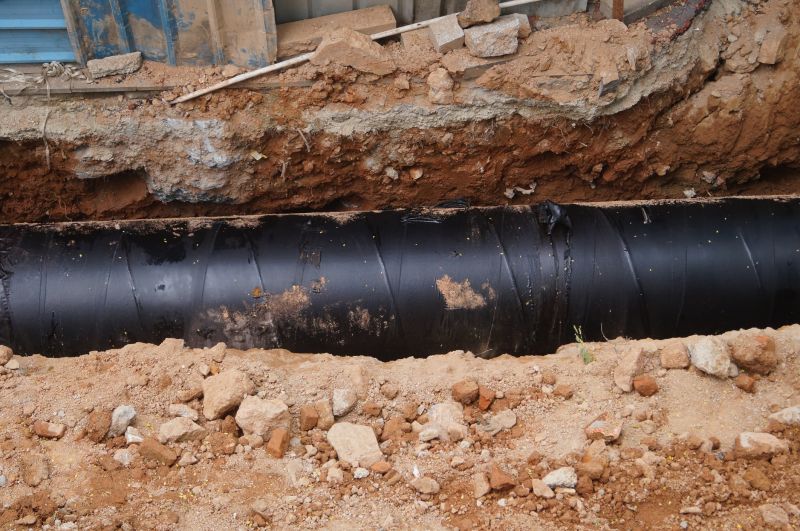
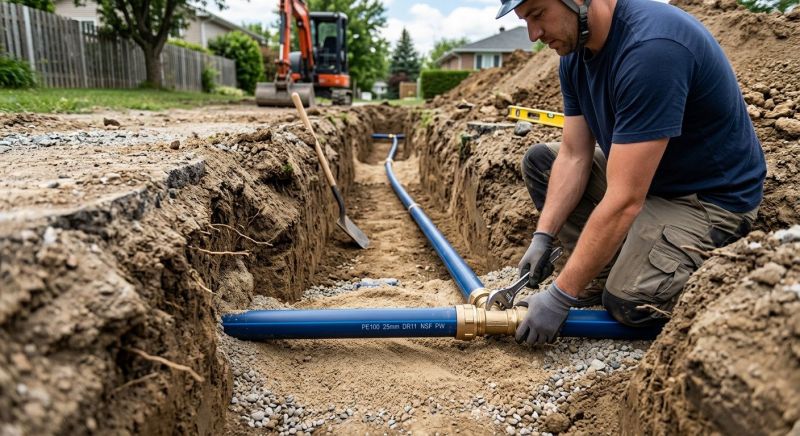
Proper installation ensures reliable water, sewer, and drainage systems for residential and commercial properties.
Planning And Permitting For Pipe Work
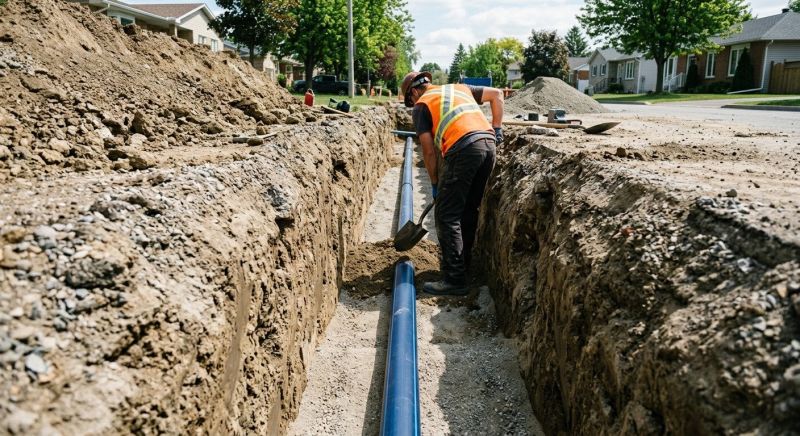
Assessments and permits are essential for compliant and long-lasting underground pipe projects in denver and nearby areas.
Safety And Quality Standards
Professional underground pipe installation prioritizes safety, durability, and adherence to local building codes.
Underground Pipe Installation in Denver, CO
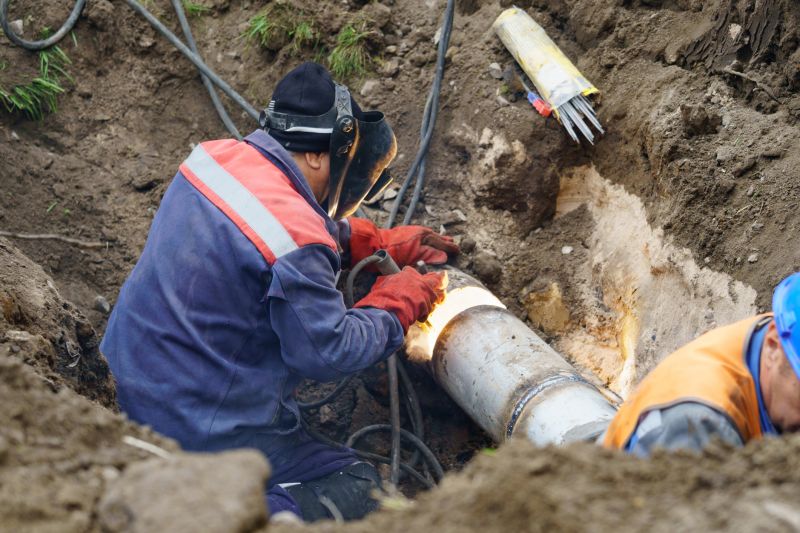
Underground pipe installation services involve the placement of essential piping systems beneath the surface of a property to support various utilities such as water supply, drainage, sewer lines, and irrigation systems. These projects typically include installing new pipes during home construction, replacing aging or damaged lines, or extending existing systems to accommodate property expansions. Homeowners often want to understand the scope of work, including how underground piping impacts landscaping and property access, as well as the importance of proper planning to ensure long-term functionality and compliance with local regulations.
Before requesting underground pipe installation, property owners should consider factors like the type of pipes needed, the location of existing underground utilities, and any permits that may be required. It’s also helpful to understand the depth at which pipes should be installed to prevent damage and ensure durability. Clear communication about the project's purpose, site conditions, and potential disruptions can help facilitate a smooth installation process and ensure the underground piping system meets the property’s needs effectively.
Many property owners in Denver, CO look into Underground Pipe Installation for repairs, replacements, upgrades, and appearance-related improvements.
Common Underground Pipe Installation Jobs
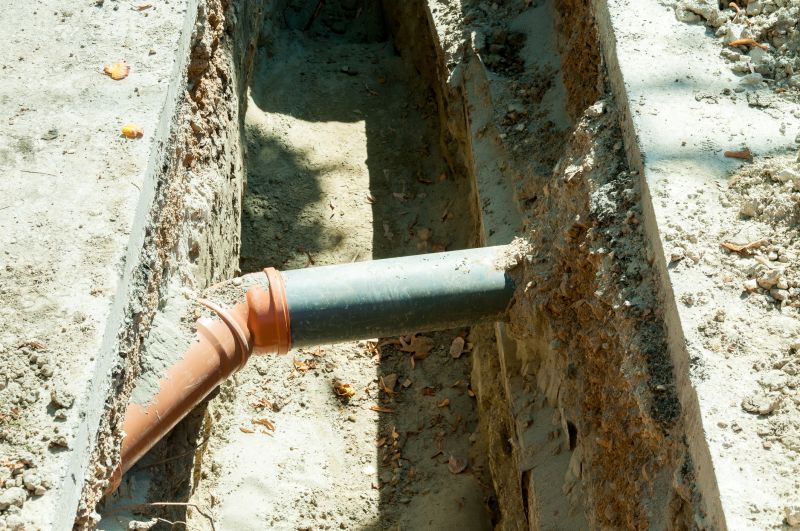
Underground sewer line installation - essential for proper waste management and preventing surface disruptions.
Water line installation - provides reliable underground piping for residential or commercial water supply.
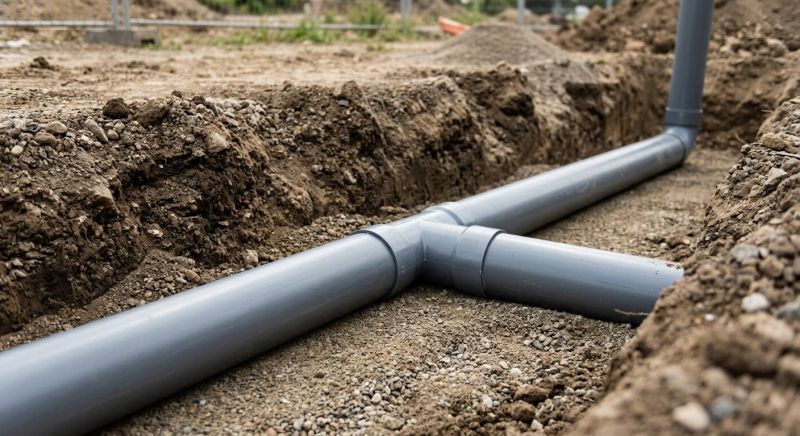
Drainage pipe installation - helps prevent flooding and water damage by directing runoff away from property.
Gas line installation - delivers safe underground routing for natural gas or propane services.
Irrigation pipe installation - supports efficient underground watering systems for lawns and gardens.
Utility trenching services - prepares underground pathways for multiple service lines to ensure safe, organized installation.
Underground Pipe Installation Questions
What types of underground pipes are installed? Common installations include water supply lines, drainage pipes, and gas lines for residential properties.
Is excavation required for pipe installation? Yes, excavation is typically necessary to access and install underground pipes properly.
How deep are underground pipes usually installed? Installation depth varies based on local codes and property requirements, often ranging from a few inches to several feet underground.
What should property owners know before installation? Proper planning and adherence to local regulations ensure safe and effective underground pipe installation for any project.
Request Underground Pipe Installation in Denver, CO
Use the quote form on this page to share the basics of your project and request more information for the type of work you need.